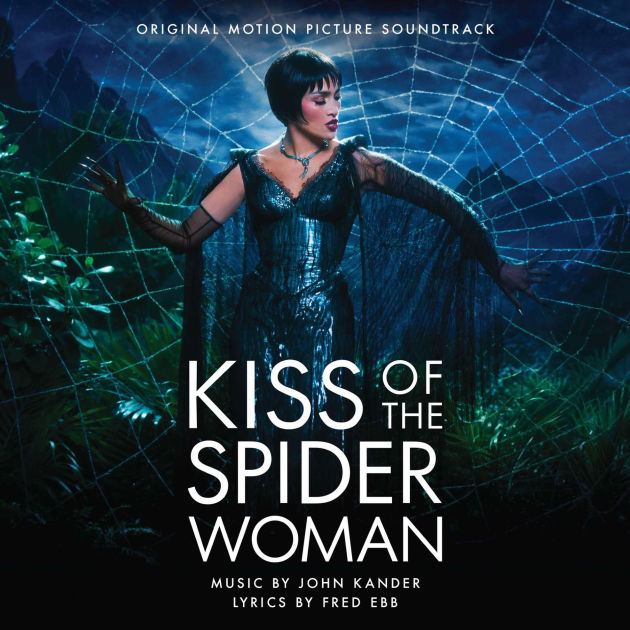
Kiss of the Spider Woman (2025) Movie Review: A Bold Musical Reimagining of a Classic Story
Kiss of the Spider Woman (2025) is a musical drama directed by Bill Condon and starring Jennifer Lopez, Diego Luna, and Tonatiuh. Adapted from the acclaimed stage musical by Terrence McNally, John Kander, and Fred Ebb—which itself was based on Manuel Puig’s celebrated 1976 novel—the film brings a visually stylized and emotionally layered interpretation of one of Latin American literature’s most enduring political stories.
Blending prison drama, fantasy musical sequences, and psychological character study, the film explores themes of escapism, repression, identity, and political resistance. With a mixture of theatrical spectacle and intimate storytelling, Kiss of the Spider Woman attempts to reintroduce a classic narrative to modern audiences while honoring its origins in literature and Broadway.
Film Overview
| Category | Details |
|---|---|
| Title | Kiss of the Spider Woman |
| Release Year | 2025 |
| Genre | Musical, Drama |
| Director | Bill Condon |
| Screenplay | Bill Condon |
| Based On | Novel by Manuel Puig and stage musical by McNally, Kander & Ebb |
| Main Cast | Jennifer Lopez, Diego Luna, Tonatiuh |
| Runtime | 128 minutes |
| Language | English / Spanish |
| Production | Artists Equity |
| Setting | Argentina during a military dictatorship |
Introduction
Set inside a prison cell during Argentina’s military dictatorship, Kiss of the Spider Woman centers on two vastly different inmates whose unlikely bond forms the emotional core of the story. The film juxtaposes political realism with dazzling musical fantasy sequences inspired by classic Hollywood cinema.
Jennifer Lopez plays Aurora, the glamorous film star who appears in the elaborate fantasies imagined by one of the prisoners. These musical interludes act as both emotional refuge and narrative commentary, blurring the boundaries between reality and escapism.
Director Bill Condon, known for musicals like Dreamgirls and Beauty and the Beast, brings a polished visual style and strong understanding of theatrical storytelling. The result is a film that attempts to balance spectacle with serious political themes.
Full Plot Synopsis
The story unfolds in an Argentine prison during the oppressive years of a military dictatorship. Luis Molina, a gentle and emotionally expressive window dresser imprisoned for alleged immoral conduct, shares a cramped cell with Valentín Arregui, a hardened Marxist revolutionary detained for his political activities.
The two men initially distrust each other. Valentín views Molina as naïve and politically disengaged, while Molina is intimidated by Valentín’s ideological rigidity and seriousness.
To escape the grim reality of prison life, Molina recounts elaborate plots from his favorite classic films. These stories revolve around Aurora, a glamorous cinematic diva who often appears in fantastical musical sequences. In Molina’s imagination, Aurora embodies beauty, romance, and emotional freedom—everything absent from the prisoners’ bleak surroundings.
As Molina narrates these cinematic fantasies, the film shifts visually into vibrant musical numbers featuring Aurora. These sequences contrast sharply with the muted, claustrophobic prison setting, emphasizing the power of storytelling as psychological survival.
Meanwhile, Valentín initially dismisses Molina’s stories as frivolous distractions. However, over time he begins to listen more attentively. Through conversations about love, politics, and personal identity, the two prisoners gradually form a complex bond.
The dynamic between them evolves from suspicion to empathy. Valentín starts to recognize Molina’s emotional intelligence and capacity for compassion, while Molina becomes increasingly aware of the brutal political reality outside his fantasies.
Unbeknownst to Valentín, Molina has been pressured by prison authorities to spy on him and extract information about revolutionary contacts. The guards promise Molina early release in exchange for cooperation.
As the narrative progresses, Molina finds himself torn between self-preservation and loyalty to Valentín. The friendship they have developed makes betrayal increasingly difficult.
The emotional climax occurs when Molina must decide whether to continue cooperating with the authorities or protect Valentín’s political cause. His choice ultimately leads to tragic consequences, transforming him from a passive dreamer into a figure of quiet courage.
The film concludes on a bittersweet note, reflecting on sacrifice, human connection, and the enduring power of imagination even in oppressive circumstances.
Direction and Visual Style
Bill Condon approaches the material with a dual aesthetic strategy. The prison scenes are deliberately restrained, shot with subdued lighting and confined compositions that emphasize the characters’ physical and psychological imprisonment.
In contrast, the musical sequences burst with color, elaborate choreography, and classic Hollywood glamour. These fantasy interludes are designed to evoke the golden age of cinema, referencing the style of vintage musicals and melodramas.
This contrast serves a narrative purpose. The dazzling performances of Aurora represent not merely escapism but also Molina’s inner emotional world. The visual shift between harsh realism and stylized fantasy reinforces the psychological tension between hope and despair.
Condon’s background in musical filmmaking allows the transitions between these two modes to feel deliberate rather than jarring.
Performances
Jennifer Lopez as Aurora
Jennifer Lopez delivers a performance rooted in classic musical theater tradition. Her portrayal of Aurora is intentionally larger-than-life, channeling the glamorous film icons of mid-20th-century cinema.
Aurora functions less as a conventional character and more as an embodiment of fantasy and emotional longing. Lopez’s presence anchors the musical numbers, bringing charisma and theatrical flair to the sequences.
Diego Luna as Valentín
Diego Luna brings emotional gravity to the role of Valentín. His performance captures the character’s ideological conviction while gradually revealing vulnerability beneath the political façade.
Luna’s nuanced acting allows Valentín’s transformation—from rigid revolutionary to empathetic listener—to feel believable.
Tonatiuh as Molina
Tonatiuh delivers the film’s most emotionally complex performance. Molina’s sensitivity, humor, and quiet resilience create a deeply sympathetic character.
His evolving relationship with Valentín provides the film’s emotional backbone, and Tonatiuh handles the delicate shifts in tone with remarkable subtlety.
Themes and Symbolism
Escapism vs Reality
One of the film’s central themes is the tension between fantasy and harsh political reality. Molina’s imagined films offer psychological refuge from imprisonment and oppression.
Yet the story ultimately suggests that imagination alone cannot shield individuals from moral responsibility.
Identity and Acceptance
The narrative also explores personal identity and societal repression. Molina’s marginalization reflects broader issues of discrimination and intolerance within authoritarian societies.
His character represents the struggle to maintain individuality in environments designed to enforce conformity.
Political Resistance
Valentín embodies political idealism and resistance. Through his interactions with Molina, the film examines whether ideological conviction can coexist with emotional vulnerability.
Their relationship ultimately highlights the human dimension behind political struggle.
Music and Choreography
The musical numbers, inspired by the original Broadway score by John Kander and Fred Ebb, play a crucial narrative role. Rather than interrupting the story, they function as extensions of Molina’s storytelling.
The choreography combines classic Hollywood elegance with theatrical staging. Songs are used to explore Molina’s dreams, fears, and romantic ideals.
These sequences provide visual spectacle while deepening the film’s emotional layers.
Strengths of the Film
Ambitious Adaptation
The film successfully bridges literature, theater, and cinema, preserving the story’s emotional depth while expanding its visual possibilities.
Powerful Performances
The central trio of Lopez, Luna, and Tonatiuh delivers compelling performances that ground the story’s dramatic and musical elements.
Visual Contrast
The stark difference between prison realism and fantasy musical sequences adds stylistic richness and thematic resonance.
Timely Themes
Issues of political oppression, identity, and human connection remain highly relevant to contemporary audiences.
Weaknesses of the Film
Balancing Tone
The shift between gritty prison drama and extravagant musical fantasy may feel uneven for viewers unfamiliar with the story’s theatrical roots.
Pacing in the Middle Act
Certain narrative stretches slow the film’s momentum as it builds toward the emotional climax.
Heavy Dialogue
The screenplay occasionally leans heavily on conversation rather than visual storytelling, reflecting its stage origins.
Final Verdict
Kiss of the Spider Woman (2025) is a bold cinematic adaptation that merges political drama with musical spectacle. Director Bill Condon brings a polished visual approach while honoring the emotional complexity of Manuel Puig’s original story.
Anchored by strong performances and striking musical sequences, the film explores profound themes of freedom, identity, and human connection under oppressive circumstances.
Though its theatrical structure occasionally challenges cinematic pacing, the film remains a thoughtful and visually engaging interpretation of a beloved narrative.
For audiences interested in character-driven drama and musical storytelling, Kiss of the Spider Woman offers a distinctive and emotionally resonant experience.