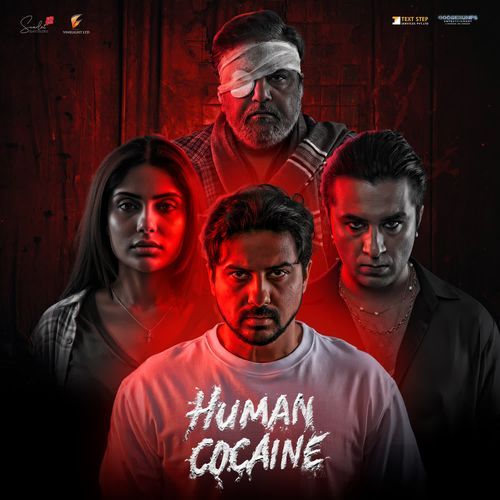
Human Cocaine (2026) Movie Review: A Brutal, Unflinching Glimpse into the Global Drug Underworld
The year 2026 has already seen its fair share of high-octane blockbusters, but few have managed to rattle the collective psyche of the audience quite like Human Cocaine. Released on January 30, 2026, this Hindi-language crime thriller is a stark departure from the polished, song-and-dance spectacles typically associated with Indian cinema. Directed by Sarim Momin, the film is a gritty, UK-set descent into a nightmarish reality of human exploitation and organized crime that feels disturbingly grounded in truth.
Featuring a radical transformation by Pushkar Jog and a career-shifting performance by Ishita Raj, Human Cocaine is less of a typical action flick and more of a visceral experience that explores the high cost of desperation.
Movie Overview & Production Details
| Category | Details |
| Title | Human Cocaine |
| Release Date | January 30, 2026 |
| Director | Sarim Momin |
| Cast | Pushkar Jog, Ishita Raj, Siddhant Kapoor, Zakir Hussain |
| Genre | Crime, Action, Psychological Thriller |
| Runtime | 107 Minutes (1h 47m) |
| Production Houses | Scarlet Slate Studios, Vinelight Ltd, Textstep Services, Goosebumps Entertainment |
| Language | Hindi (with English subtitles) |
| Certification | A (Adults Only) |
Full Plot Synopsis: The Descent into Darkness
The narrative of Human Cocaine centers on Arjun (Pushkar Jog), an Indian immigrant living in the United Kingdom who is drowning in financial anxiety. Once a man with aspirations, Arjun now spends his nights navigating the cold streets of London as a cab driver, struggling to send money home and reconcile with his fractured family. His desperation makes him the perfect target for a “get-rich-quick” scheme that promises to solve all his problems with a single delivery.
Arjun is hired to transport a seemingly innocuous parcel across the country for a staggering sum of money. Along the way, he encounters Liza (Ishita Raj), a mysterious hitchhiker who appears to be running from her own demons. What starts as a tense road trip quickly spirals into a survival horror scenario when the parcel goes missing, and Arjun is intercepted by a bizarre, cult-like family living in a remote location.
As Arjun and Liza are held captive, the film peels back the layers of a horrifying criminal enterprise. They discover they aren’t just dealing with petty drug dealers, but are pawns in a global network managed by a ruthless drug lord (Zakir Hussain). The title of the film refers to a new, ultra-expensive variant of cocaine manufactured through a barbaric process involving human “carriers” and biological exploitation. The third act shifts into a high-stakes escape mission where Arjun must confront his own moral failings to survive a world that views human life as nothing more than a consumable product.
Detailed Critique: A Symphony of Grime and Guilt
Direction and Screenplay
Director Sarim Momin, who also penned the screenplay, succeeds in creating an atmosphere of claustrophobia and dread. The decision to set the film in the UK provides a cold, alienating backdrop that mirrors Arjun’s isolation. Momin avoids the “masala” tropes of Bollywood, opting instead for a narrative pace that mimics the frantic heartbeat of its protagonist. However, the screenplay occasionally leans too heavily on exposition in the second half, explaining its “human cocaine” concept through dialogue rather than letting the visuals do the heavy lifting.
Acting and Character Arcs
-
Pushkar Jog: Jog delivers a career-best performance. Known for more commercial roles, he undergoes a startling physical and emotional transformation here. He captures the raw essence of a man pushed to the brink, portraying Arjun’s transition from fear to a primal, rage-fueled survival instinct with haunting authenticity.
-
Ishita Raj: Traditionally cast in romantic or light-hearted roles (such as the Pyaar Ka Punchnama series), Raj surprises as Liza. She brings a grounded, grungy vulnerability to the screen, shedding her “glamour” image to portray a victim who refuses to stay silent.
-
Siddhant Kapoor & Zakir Hussain: Kapoor provides an unpredictable, edgy energy with a bold visual style, while Hussain remains one of the industry’s most terrifying villains. Hussain’s portrayal of the drug lord is understated; he doesn’t need to scream to be menacing—his quiet, calculated cruelty is far more effective.
Visuals and Sound
The cinematography by Sopan Purandare is exceptional, utilizing a desaturated color palette that emphasizes the “grey” morality of the characters. The use of handheld cameras during the escape sequences adds a documentary-like urgency to the action. This is complemented by Kshitij Tarey’s background score, which is industrial and jarring, eschewing melodic comfort for a rhythmic tension that never lets the audience breathe.
Strengths and Weaknesses
Strengths
-
Raw Authenticity: The film doesn’t shy away from the brutality of the drug trade. It is unflinching and honest.
-
Performance-Driven: The transformation of the lead actors provides a compelling reason to watch.
-
Atmospheric Pacing: The first hour is a masterclass in building tension and mystery.
-
Social Relevance: It serves as a grim cautionary tale about the “easy money” allure for marginalized immigrants.
Weaknesses
-
Underdeveloped Villains: While Zakir Hussain is chilling, the motivations of the “bizarre family” in the middle act feel a bit caricatured.
-
Logic Gaps: Some of the technicalities of the drug manufacturing process require a significant suspension of disbelief.
-
Dialogue Heavy: The moral messaging is occasionally delivered through “preachy” monologues in the final act.
Final Verdict
Human Cocaine is a bold, abrasive, and ultimately necessary piece of cinema. It is not an “easy” watch, nor is it meant to be. Sarim Momin has crafted a film that functions as a dark mirror to society, forcing viewers to look at the human cost of global vices. While it stumbles slightly in its narrative logic toward the end, the sheer power of Pushkar Jog’s performance and the film’s relentless intensity make it one of the most significant thrillers of 2026.
Final Rating: 3.5 / 5 Stars