


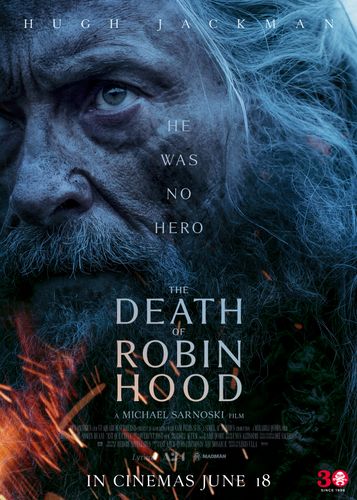
The Death of Robin Hood (2026): A Dark and Reflective Reimagining of the Legendary Outlaw
The Death of Robin Hood (2026) Movie Overview
As one of the most anticipated historical dramas of 2026, The Death of Robin Hood presents a bold reinterpretation of one of literature and folklore’s most enduring heroes. Directed by Michael Sarnoski and starring Hugh Jackman in the title role, the film moves away from the traditional swashbuckling adventures associated with Robin Hood and instead focuses on the final chapter of the legendary outlaw’s life.
Combining historical drama, psychological introspection, and emotional storytelling, The Death of Robin Hood offers audiences a mature examination of aging, mortality, redemption, and legacy. Rather than celebrating heroic exploits, the film explores the personal consequences of a life defined by rebellion, violence, and myth.
With a strong ensemble cast that includes Jodie Comer, Bill Skarsgård, Murray Bartlett, and Noah Jupe, the film delivers a character-driven narrative that stands apart from previous adaptations of the Robin Hood legend.
Movie Details
| Category | Information |
|---|---|
| Title | The Death of Robin Hood |
| Release Year | 2026 |
| Genre | Historical Drama, Thriller |
| Director | Michael Sarnoski |
| Writer | Michael Sarnoski |
| Lead Cast | Hugh Jackman, Jodie Comer, Bill Skarsgård, Murray Bartlett, Noah Jupe |
| Runtime | 123 Minutes |
| Language | English |
| Distributor | A24 |
Plot Synopsis
The Death of Robin Hood follows an older and deeply wounded Robin Hood as he confronts the realities of his past and the inevitability of death. No longer the celebrated outlaw who once inspired fear among corrupt rulers and hope among the oppressed, Robin finds himself isolated and struggling with the weight of decades-old decisions.
After suffering a severe injury, he is forced to rely on the care of a mysterious woman who becomes an important figure in his final journey. As Robin’s physical condition deteriorates, memories of his past return with increasing intensity. The boundaries between legend and reality begin to blur, forcing him to confront the truth about his life and the legacy he will leave behind.
Throughout the story, the film examines themes of guilt, regret, forgiveness, and self-reflection. Instead of focusing on battles and heroics, the narrative explores the emotional cost of a lifetime spent fighting both enemies and personal demons.
The result is a thoughtful and intimate portrait of a legendary figure facing his final reckoning.
A New Vision for the Robin Hood Legend
Robin Hood has been portrayed in countless films, television series, books, and stage productions. Traditionally depicted as a noble outlaw who steals from the rich to give to the poor, the character has become a symbol of justice and resistance.
However, The Death of Robin Hood takes a dramatically different approach.
Rather than emphasizing adventure and heroism, the film investigates what happens after the legend fades. It asks important questions about identity, memory, and accountability. What becomes of a man whose reputation has grown larger than reality? Can a person truly escape the consequences of past actions simply because history views them as a hero?
By addressing these questions, the film offers a more nuanced and human portrayal of Robin Hood than audiences have typically seen.
Hugh Jackman Delivers a Powerful Central Performance
A major highlight of the film is Hugh Jackman’s portrayal of the aging outlaw. Known for bringing emotional depth to complex characters, Jackman delivers a performance that balances physical vulnerability with quiet strength.
His interpretation of Robin Hood is far removed from the energetic heroes commonly portrayed in previous adaptations. This version of Robin is weary, reflective, and burdened by the memories of a turbulent life.
Jackman’s performance captures the emotional complexity of a man who must reconcile the legend others believe with the reality he has lived. Through subtle expressions and measured dialogue, he creates a deeply human character whose struggles feel authentic and relatable.
The role showcases Jackman’s dramatic abilities and provides one of the most mature portrayals of the iconic character in modern cinema.
Strong Supporting Cast Elevates the Story
The supporting cast plays a vital role in bringing emotional depth and authenticity to the narrative.
Jodie Comer delivers a compelling performance as the enigmatic woman who becomes closely connected to Robin during his final days. Her presence introduces warmth, mystery, and emotional resonance to the story.
Bill Skarsgård provides a memorable interpretation of Little John, offering a perspective on friendship, loyalty, and the passage of time. His performance adds additional layers to Robin’s personal journey.
Murray Bartlett and Noah Jupe contribute meaningful supporting performances that help enrich the film’s emotional landscape and historical atmosphere.
Together, the ensemble creates a believable world that supports the film’s introspective tone.
Michael Sarnoski’s Distinctive Direction
Director Michael Sarnoski continues to establish himself as a filmmaker interested in deeply personal stories told through unconventional perspectives.
In The Death of Robin Hood, he avoids the spectacle-driven approach that often dominates historical epics. Instead, he focuses on atmosphere, character development, and emotional storytelling.
His direction emphasizes quiet moments of reflection as much as moments of conflict. This approach allows the film’s themes to emerge naturally and gives audiences the opportunity to connect with Robin on a personal level.
The result is a film that feels both intimate and epic, grounded in human emotion while exploring larger questions about legacy and mortality.
Visual Style and Cinematography
One of the film’s greatest strengths is its visual presentation.
The cinematography captures the beauty and harshness of medieval landscapes through carefully composed imagery and natural lighting. Dense forests, rugged countryside, and isolated settlements create an immersive setting that feels authentic and lived-in.
Muted color palettes and atmospheric weather conditions reinforce the film’s somber tone. Every location reflects the emotional state of the protagonist, creating a visual language that enhances the storytelling.
Rather than romanticizing the medieval world, the film presents it as a challenging environment shaped by hardship, uncertainty, and survival.
This grounded aesthetic helps distinguish The Death of Robin Hood from more traditional fantasy-inspired interpretations of the legend.
Themes That Define the Film
Mortality
At its core, the film is a meditation on mortality. Robin Hood is confronted with the reality that even legends cannot escape death. His journey becomes one of acceptance rather than resistance.
Redemption
The story explores whether redemption can be achieved late in life. Robin’s reflections on his actions raise questions about forgiveness, accountability, and personal growth.
Legacy
The film examines how individuals are remembered by future generations. It challenges the notion that public reputation always reflects private truth.
Myth Versus Reality
Throughout the narrative, the distinction between historical fact and popular legend becomes increasingly blurred. This tension adds emotional complexity and philosophical depth to the story.
Why The Death of Robin Hood Stands Out in 2026
Several factors make the film one of the year’s most significant releases:
- A mature and unconventional interpretation of a legendary character.
- Strong performances led by Hugh Jackman.
- Thoughtful direction from Michael Sarnoski.
- Rich historical atmosphere and striking cinematography.
- Emotional storytelling centered on redemption and legacy.
- A character-focused narrative that prioritizes depth over spectacle.
These qualities help the film stand apart from conventional historical adventures and create a more meaningful viewing experience.
Final Verdict
The Death of Robin Hood (2026) is a sophisticated and emotionally resonant reimagining of one of history’s most recognizable folk heroes. Rather than focusing on heroic exploits and grand adventures, the film examines the human being behind the legend and the consequences of a life shaped by conflict and myth.
Driven by Hugh Jackman’s compelling performance, Michael Sarnoski’s thoughtful direction, and a powerful supporting cast, the film delivers a reflective exploration of mortality, redemption, and legacy.
For audiences seeking a mature historical drama with emotional depth and thematic richness, The Death of Robin Hood offers a fresh and memorable perspective on a timeless story.
Review Schema (JSON-LD)
{
  "@context": "https://schema.org",
  "@type": "Review",
  "itemReviewed": {
    "@type": "Movie",
    "name": "The Death of Robin Hood",
    "datePublished": "2026",
    "director": {
      "@type": "Person",
      "name": "Michael Sarnoski"
    },
    "actor": [
      {
        "@type": "Person",
        "name": "Hugh Jackman"
      },
      {
        "@type": "Person",
        "name": "Jodie Comer"
      },
      {
        "@type": "Person",
        "name": "Bill Skarsgård"
      },
      {
        "@type": "Person",
        "name": "Murray Bartlett"
      },
      {
        "@type": "Person",
        "name": "Noah Jupe"
      }
    ]
  },
  "author": {
    "@type": "Organization",
    "name": "Film Editorial"
  },
  "reviewRating": {
    "@type": "Rating",
    "ratingValue": "8",
    "bestRating": "10"
  },
  "reviewBody": "The Death of Robin Hood offers a mature, emotionally engaging, and visually compelling reinterpretation of the legendary outlaw, highlighted by Hugh Jackman's powerful performance and Michael Sarnoski's thoughtful direction."
}