


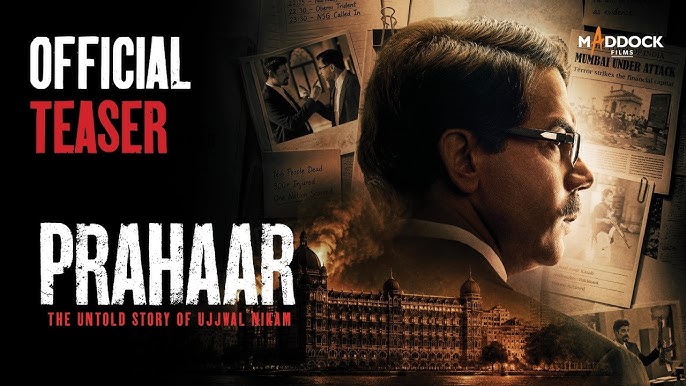
Prahaar – The Ujjwal Nikam Story (2026): Release Date, Cast, Story, and Everything to Know About the Powerful Courtroom Drama
Prahaar – The Ujjwal Nikam Story (2026) is one of the most anticipated Hindi courtroom dramas of the year. Directed by acclaimed filmmaker Avinash Arun and headlined by Rajkummar Rao, the film chronicles the extraordinary legal career of renowned Indian public prosecutor Ujjwal Nikam, whose work on some of India’s most significant criminal cases made him a widely recognized figure in the country’s judicial history.
Blending courtroom drama, biographical storytelling, and historical events, Prahaar – The Ujjwal Nikam Story aims to present the challenges, pressures, and moral responsibilities faced by a prosecutor handling cases of national importance. With an accomplished supporting cast and a grounded directorial approach, the film has generated significant attention ahead of its theatrical debut.
Prahaar – The Ujjwal Nikam Story (2026) Movie Overview
| Movie Title | Prahaar – The Ujjwal Nikam Story |
|---|---|
| Release Year | 2026 |
| Language | Hindi |
| Genre | Courtroom Drama, Biography, Legal Drama |
| Director | Avinash Arun |
| Lead Cast | Rajkummar Rao, Wamiqa Gabbi |
| Supporting Cast | Jaideep Ahlawat, Sikandar Kher, Tarun Sharma |
| Writers | Sumit Roy, Dushyant Arora, Vishal Tiwari |
| Producers | Aamir Khan, Dinesh Vijan |
| Production Banner | Maddock Films |
| Release Type | Theatrical |
What Is Prahaar – The Ujjwal Nikam Story About?
Prahaar – The Ujjwal Nikam Story follows the life and professional journey of celebrated public prosecutor Ujjwal Nikam, focusing on the courtroom battles that shaped his reputation as one of India’s most recognizable legal figures.
Rather than presenting a conventional biography, the narrative examines the legal process behind several high-profile criminal prosecutions. The film explores the immense pressure of arguing cases that captured national attention while portraying the emotional, ethical, and professional responsibilities carried by those working within the justice system.
The story also illustrates how courtroom preparation, evidence, witness testimony, and legal strategy become critical components in the pursuit of justice, offering audiences a procedural perspective rarely explored in mainstream Hindi cinema.
Rajkummar Rao Leads Another Transformative Performance
Rajkummar Rao takes on the challenging role of Ujjwal Nikam, continuing his reputation for portraying real-life personalities with remarkable dedication.
Known for fully immersing himself in demanding characters, Rao reportedly underwent significant physical preparation to authentically portray the veteran prosecutor. Instead of relying on exaggerated dramatics, his performance is expected to emphasize restraint, confidence, and the intellectual rigor required inside a courtroom.
The role demands emotional control rather than conventional action, making it another distinctive addition to Rao’s diverse filmography.
Strong Supporting Cast
The film features an impressive ensemble that strengthens its courtroom narrative.
Main Cast
- Rajkummar Rao as Ujjwal Nikam
- Wamiqa Gabbi
- Jaideep Ahlawat
- Sikandar Kher
- Tarun Sharma
Each performer contributes to recreating the legal, investigative, and political environments surrounding the cases depicted in the film.
Avinash Arun Brings a Realistic Vision
Director Avinash Arun has earned praise for emotionally grounded storytelling and naturalistic filmmaking.
His filmmaking style typically emphasizes authentic performances, subtle visual storytelling, and believable human drama over excessive melodrama. Those strengths appear well suited to a courtroom biography that depends more on tension, dialogue, and character development than spectacle.
Instead of sensationalizing historical events, the film appears designed to focus on legal processes and the individuals responsible for delivering justice.
Courtroom Drama with Historical Context
Unlike fictional courtroom thrillers, Prahaar – The Ujjwal Nikam Story draws inspiration from real legal proceedings that shaped public discourse in India.
The film revisits major criminal investigations and trials while emphasizing:
- Judicial procedures
- Evidence-based prosecution
- Legal ethics
- National security concerns
- Personal sacrifices made by prosecutors
- The emotional burden of handling nationally significant cases
This historical backdrop gives the film broader relevance beyond traditional biographical storytelling.
Themes Explored
The film examines several compelling themes:
Justice Above All
At its core, the narrative highlights the importance of pursuing justice through legal institutions rather than emotion or public opinion.
Duty and Responsibility
The story explores the personal commitment required from prosecutors handling emotionally charged and nationally significant trials.
Law Versus Emotion
Courtrooms demand facts, evidence, and legal reasoning even when public emotions run high. The film illustrates this difficult balance.
Courage Under Pressure
Handling high-profile cases often places legal professionals under extraordinary public scrutiny, making resilience another central theme.
Cinematic Style
Although rooted in factual events, Prahaar adopts a dramatic cinematic approach through:
- Detailed courtroom recreations
- Realistic production design
- Serious visual tone
- Dialogue-driven storytelling
- Emotional character moments
- Investigative sequences
Rather than relying on large-scale action, the film builds suspense through legal arguments, cross-examinations, and strategic courtroom confrontations.
Why the Film Has Generated Strong Interest
Several factors have contributed to growing anticipation:
- Rajkummar Rao portraying another real-life personality.
- A courtroom drama inspired by notable legal history.
- Direction from Avinash Arun.
- Backing from Maddock Films.
- A respected supporting cast featuring Wamiqa Gabbi and Jaideep Ahlawat.
- A grounded approach to legal storytelling instead of conventional commercial spectacle.
Expected Audience
The film is likely to appeal to viewers interested in:
- Courtroom dramas
- Biographical films
- Legal thrillers
- Historical narratives
- Character-driven cinema
- Rajkummar Rao performances
- Real-life inspired stories
Its mature subject matter makes it particularly attractive to audiences looking for thoughtful, performance-oriented cinema.
Strengths
- Compelling real-life subject matter.
- Acclaimed lead actor.
- Experienced director known for realistic storytelling.
- Strong ensemble cast.
- Rich courtroom setting.
- Emotional and intellectual depth.
- Historical relevance.
Final Thoughts
Prahaar – The Ujjwal Nikam Story stands out as a courtroom biographical drama that seeks to illuminate the work of one of India’s most prominent public prosecutors through a measured, character-focused lens. By combining real events with dramatic storytelling, the film promises a thoughtful exploration of justice, legal ethics, and public service.
With Rajkummar Rao leading the cast and Avinash Arun directing, the film has the potential to resonate with audiences who appreciate grounded performances and procedurally driven narratives. Rather than relying on conventional action or spectacle, Prahaar appears positioned to engage viewers through its courtroom intensity, historical context, and examination of the legal system’s pursuit of accountability.