


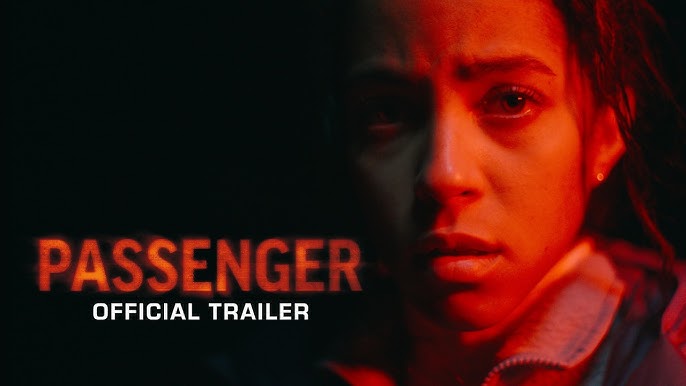
The supernatural road-trip subgenre occupies a unique space in modern horror cinema. By blending the inherent isolation of vast American landscapes with the psychological claustrophobia of confined vehicular spaces, filmmakers can tap into profound anxieties regarding displacement, vulnerability, and the unknown.
In Passenger (2026), director André Øvredal explores these themes within the modern context of “van life” culture. Distributed by Paramount Pictures and produced under the oversight of horror veteran Walter Hamada, the film shifts Øvredal’s signature claustrophobic tension from the static rooms of The Autopsy of Jane Doe (2016) to an asphalt landscape. Despite its strong technical pedigree, Passenger struggles to balance its atmospheric supernatural dread with its thematic script choices.
Passenger (2026): Key Details and Production Overview
Before examining the narrative, the technical specifications and core creative team behind Passenger are structured below:
| Metric / Attribute | Film Specification Details |
| Title | Passenger |
| Release Date | May 22, 2026 (United States, Memorial Day Weekend) |
| Director | André Øvredal |
| Screenwriters | Zachary Donohue, T.W. Burgess |
| Producers | Walter Hamada (18hz), Gary Dauberman (Coin Operated) |
| Production Studio | Paramount Pictures |
| Runtime | 94 Minutes |
| MPAA Rating | R (Strong threat and violence) |
| Lead Cast | Lou Llobell, Jacob Scipio, Melissa Leo |
| Primary Genre | Supernatural Horror / Psychological Thriller |
Full Plot Synopsis
Passenger follows Maddie (Lou Llobell) and Tyler (Jacob Scipio), a young couple who have opted out of urban life by abandoning their New York City apartment to embrace a nomadic “van life” lifestyle. Traveling across the American highway system in a retrofitted camper van, their journey is intended to offer freedom and self-discovery. However, underlying domestic tensions plague the couple. Maddie, who grew up in a series of unstable orphanages, secretly craves permanence and a traditional home. Conversely, Tyler, escaping a history of domestic abuse, harbors a restless compulsion to stay mobile, viewing static spaces as inherently trapping.
Six weeks into their journey, while navigating an isolated stretch of highway at night, the couple encounters a fresh, horrific car crash. Stopping to render assistance, they find the driver dead. Unbeknownst to them, the wreckage bears strange, deep, claw-like diagonal lacerations. By intervening, Maddie and Tyler unknowingly inherit a malevolent supernatural presence.
Initially, this entity manifests exclusively to Maddie. It adopts the unsettling visage of an elderly, silent priest who appears at the periphery of dark rest stops and highway shoulders. The haunting intensifies when Tyler begins to witness the entity as well, realizing that a demonic force is tethered to their vehicle. No matter how fast or far they drive, the entity matches their pace, manifesting inside and outside the van during nocturnal stops.
Desperate for answers, the couple crosses paths with Diana (Melissa Leo), a seasoned veteran of the nomadic highway subculture who functions as a guide. Diana recognizes the signs of their haunting, warning them that they have drawn the attention of a “highwayman from hell”—a demonic force that targets rootless travelers. She explains the cryptic signs left along the roads—claws and arrows etched into highway infrastructure—and reveals that their only hope lies in locating a hidden, consecrated sanctuary known as the Church of Saint Christopher deep within the desert.
The final act chronicles a frantic pursuit toward this sanctuary. Diana attempts to guide them through the hidden roadside landmarks, but the entity isolates the couple, leading to a confrontational climax within the desert. Maddie and Tyler are forced to confront both the supernatural predator and their fractured views on home, faith, and survival.
Detailed Film Critique
Themes and Cultural Commentary
Thematic structure forms the core of Passenger, though its execution remains a point of critical discussion. Screenwriters Zachary Donohue and T.W. Burgess utilize the modern “van life” trend as a metaphor for existential displacement. The highway serves as a liminal space where individuals attempting to outrun past traumas find themselves entirely unprotected.
However, the underlying subtext takes an explicitly conservative and traditional turn in its second half. The film frames alternative, nomadic lifestyles as hazardous choices that leave individuals spiritually and physically vulnerable to predatory forces. The narrative positions the traditional, stationary nuclear family structure as the ultimate psychological and spiritual armor. While this perspective adds a distinct layer to the narrative, some audiences may find the shift from open-road freedom to traditional conformity somewhat jarring.
Direction and Pacing
André Øvredal has established a reputation for maximizing tension within limited spatial boundaries. His previous works, such as The Autopsy of Jane Doe, demonstrated an excellent understanding of spatial geography and situational dread. In Passenger, Øvredal successfully treats the camper van as a mobile haunted house.
The first two acts are paced to build dread through a slow burn, utilizing wide shots of vast landscapes contrasted against the tight, cluttered interior of the van. The visual composition ensures the audience shares the characters’ growing sense of entrapment. However, the pacing falters in the final third, rushing through its folklore explanations to arrive at an underwhelming climax that leaves several narrative threads loose.
Performances and Character Dynamics
The success of a minimalist horror film relies heavily on its central performances. Lou Llobell captures Maddie’s deep internal fatigue and longing for stability, making her reactions to the haunting feel grounded. Jacob Scipio plays Tyler with a restless, defensive energy that effectively conveys his underlying trauma.
"The primary hurdle for the ensemble lies in the script's dialogue layout. Maddie and Tyler suffer from a severe lack of open communication during the first half of the film, which can make their relationship dynamic feel frustratingly distant to audiences before the horror fully takes hold."
Melissa Leo provides a memorable performance as Diana, bringing gravity and a grounded realism to a role that essentially serves as the film’s narrative exposition engine. Her character infuses the midsection of the film with an energy reminiscent of modern survival dramas.
Visual and Audio Craft
Cinematographically, Passenger excels at capturing the stark beauty and inherent terror of night-time highway travel. The lighting design relies heavily on practical vehicle illumination, dashboard glows, and the harsh glare of passing sodium streetlights, which effectively builds a cold, isolating color palette.
The sound design heavily enhances the tension. The groans of the moving vehicle, the whistling of high-speed wind against windows, and the sudden silence of isolated rest stops are mixed with precision. The film’s soundtrack features a deliberate selection of road-centric tracks, ranging from the driving rhythm of Iggy Pop’s “The Passenger” to the dark, blues-infused tones of Blues Saraceno’s “Evil Got a Hold on Me,” adding a stylized layer to the atmosphere.
Strengths and Weaknesses
Strengths
-
Atmospheric Visual Direction: André Øvredal creates an effective sense of dread by treating a moving vehicle as an unpredictable, indefensible space.
-
Strong Supporting Turn: Melissa Leo offers an excellent performance that grounds the supernatural folklore elements in real-world grit.
-
Technical Sound Mixing: The auditory contrast between the rumbling mechanics of highway travel and sudden, dead supernatural silence is highly effective.
-
Compelling Visual Motifs: The use of highway iconography, such as Saint Christopher medals, scratched landmarks, and practical headlight illumination, gives the film a distinct aesthetic identity.
Weaknesses
-
Weak Character Communication: The central couple’s prolonged reluctance to communicate basic personal history creates an emotional detachment in the first half.
-
Underwhelming Resolution: The third act resolves with a rapid climax that lacks the visceral tension built up by the preceding setup.
-
Didactic Subtext: The narrative’s heavy reliance on traditional conformity as the sole solution to trauma may alienate viewers looking for a more nuanced thematic exploration.
Final Verdict
Passenger (2026) stands as a technically polished addition to the supernatural road-horror subgenre. André Øvredal successfully demonstrates his ability to craft atmospheric tension out of empty roads and cramped vehicle interiors. The film benefits immensely from strong technical choices, an evocative soundtrack, and a commanding supporting performance by Melissa Leo.
However, the feature is ultimately held back by an uneven screenplay that struggles to create an engaging emotional core between its two leads, alongside an abrupt conclusion. For genre enthusiasts seeking an atmospheric, slow-burn thriller with distinct visual flavor, Passenger offers a worthwhile, albeit flawed, journey.